// About Me
From Taiwan to Alabama and back — building clinical AI that clinicians can trust and patients can benefit from.
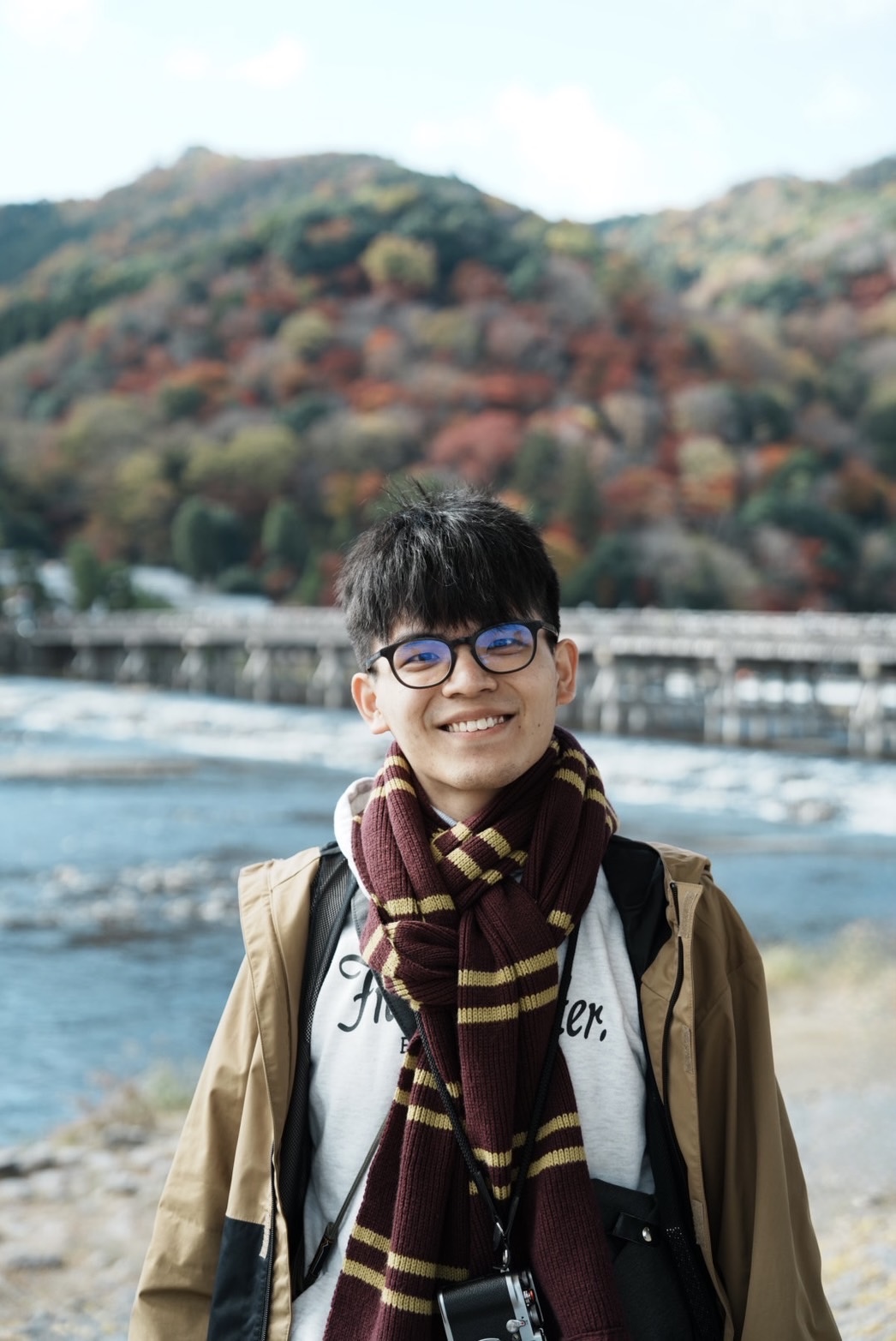
"I'd rather regret doing something than regret missing the chance."
# My Journey
Click any milestone to expand the full story.
After five years abroad, I returned to Taiwan in early 2026 — a homecoming with fresh energy. I joined the Digital Medicine & Smart Healthcare Research Center at NYCU, working alongside Albert Yang. It felt like closing a circle while opening a new one.
My research directions are expanding: sovereign AI and how to build trustworthy systems within Taiwan's healthcare ecosystem; digital twins that can replicate patient physiology; surgical computer vision (DaVinci systems); and fMRI foundation models that might unlock new understanding of brain function.
I arrived in the fall of 2020, right as COVID-19 locked down the world. The first two years were isolating — almost no social life, limited lab access, plenty of self-doubt. But isolation can be clarifying. During those quiet months, I faced a personal motivation that became my research compass: family members were beginning to show early signs of cognitive decline.
By 2022, momentum shifted. My research evolved with clarity: starting with motion correction challenges in PET/MR (TCBC), then MR-based deep learning segmentation (LEON), then pushing toward an MRI-less quantification approach, and finally analyzing biomarkers at scale across large cohorts. Conference presentations at SNMMI (2023, 2024) pushed me to communicate beyond just the lab.
I arrived at NCKU with a simple belief: engineering should serve people. I joined the Biomedical Information Analysis Lab in my sophomore year. Our team developed VEINAVI, an auto-phlebotomy device that reached the EMedIC finals — but we lost because it lacked clinical grounding. That stung, and I learned that good engineering must be paired with genuine clinical need.
Junior year, I got proactive. From hospital conversations emerged EmoSpace, a mobile game for children with ASD, winning 3rd place worldwide at RehabWeek 2019 (RESNA Student Design Competition). I also explored VR for cultural preservation and joined the CareFULL social entrepreneurship team — winning Best Social Impact at Aalto University in Finland.
# Research Philosophy
Clinical AI must be reliable, interpretable, and safe. I focus on building systems that clinicians can trust — minimizing false positives, addressing algorithmic bias, and ensuring robustness across diverse patient populations.
My work on Alzheimer's imaging was born from witnessing family members navigate cognitive decline. That personal stake keeps me grounded — reminds me that behind every dataset are people and their stories.
The hardest problems live at the intersections. Trustworthy clinical AI requires engineers who understand medicine, radiologists who know deep learning, and computer scientists who grasp neuroanatomy.
Interested in AI for healthcare, neuroimaging, or digital twins? I'd love to hear from you.
Get in Touch